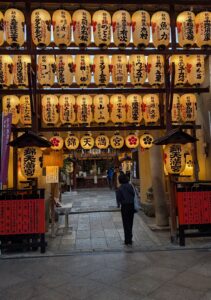
Four action-packed days in Kyoto felt like a deep dive into the city’s timeless rhythm, where every moment balanced beauty and tradition. Our first evening began beneath the glowing lanterns of Yasaka Shrine, surprisingly crowd free. The next morning, we got up early to hike through the endless tunnel of vermilion torii gates of Fushimi Inari to reach the mountain’s peak, followed by a visit to the elegant Byodoin Temple. We then squeezed in a climb to Arashiyama Monkey Park to meet the northernmost living non-human primates in the world before rushing over to Kinkaku-ji Temple to catch the Golden Pavilion right at sunset. An early start the next morning paid off with a quiet stroll through Ninenzaka and Sannenzaka before the crowds arrived, followed by Kiyomizu-dera’s dramatic hillside perch, a string of serene temples along the Philosopher’s Path, and a step back into the shogun era at Nijo Castle. Another early morning brought us through the stillness of the Arashiyama Bamboo Forest, later trading serenity for the lively chaos of Nishiki Market and its endless seafood stalls. We closed it all out with the elegance and artistry of the Gion Odori performance – a fitting finale to a few unforgettable days in Kyoto.

Our Kyoto accommodation - Hotel Tavinos
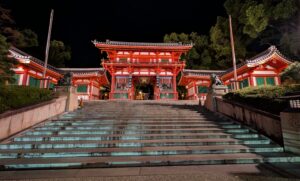
Yasaka Shrine serves as an iconic gateway to the historic Gion District in Kyoto
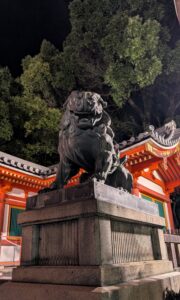
Komainu (lion-dog) statue guarding the entrance of Yasaka Shrine
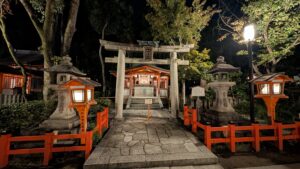
Yasaka-jinja Shrine in Kyoto is best visited at night for a crowd free experience
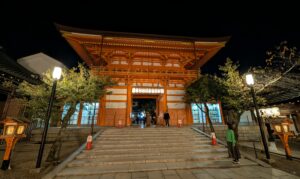
Yasaka Shrine was once called Gion Shrine
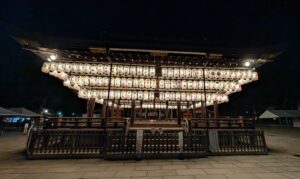
Japanese lanterns at night as the Yasaka Shrine transforms after sunset
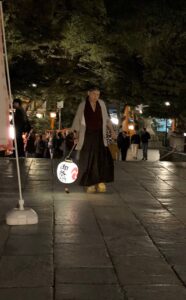
A priest wearing a pair of traditional Japanese geta (wooden clogs with a fabric thong) strolls around Yasaka Shrine with a lantern at night
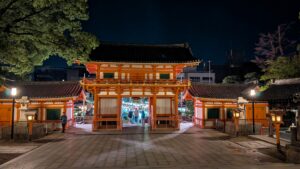
Visiting Yasaka Shrine at night was a great decision because it was quiet and peaceful. We returned during the day and it was chaotic and noisy

Robby waiting for our ramen to be ready for breakfast
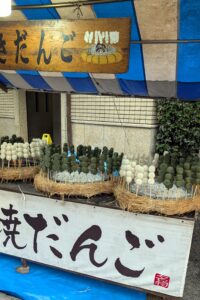
Grilled mochi skewers for sale at the base of Fushimi Inari Shrine
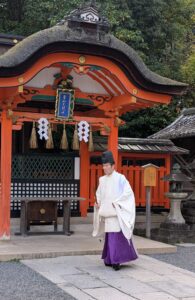
A Shinto priest (kannushi) at Fushimi Inari Taisha
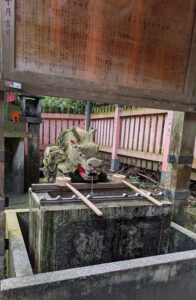
Dragon head fountain at Inari Shinto Shrine
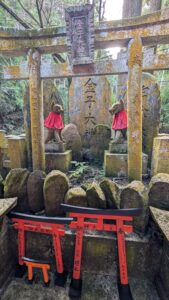
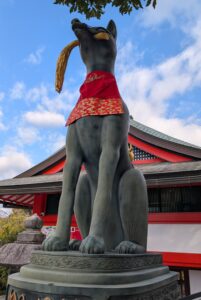
Kitsune statues guarding torii gates at Inari Shrine
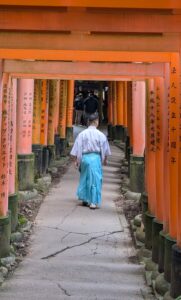
A priest walks through torii gates at Fushimi Inari
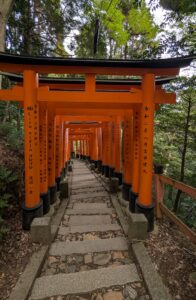
The path leading up to the 233 meter tall Mt. Inari is marked by approximately 10,000 torii gates
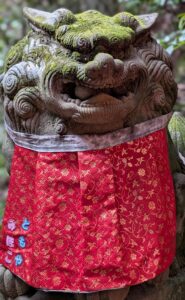
The Lion-Dog is one of many statues found at Fushimi Inari shrine. It is dedicated to Inari, the rice god
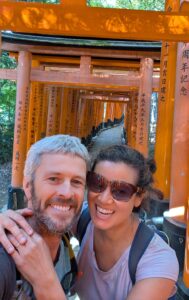
Taking a selfie at Fushimi Inari. Go early to avoid other tourists in your photos!
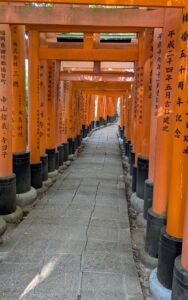
Fushimi Inari Shrine is the head shrine of the more than 30,000 other Inari shrines in Japan! Walking through all 10,000 torii gates is a rite of passage for visitors with the time and energy
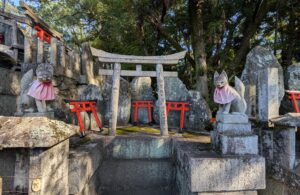
Fushimi Inari is extremely popular to visit (over 10 million visitors annually). Foxes are considered to be the divine messengers of the shrine deity, so there are thousands of kitsune (fox) statues throughout the shrine
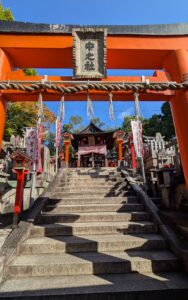
The Innermost Sanctuary at the summit (Ichi-no-mine) of Mt. Inari, the sacred peak of Fushimi Inari Shrine
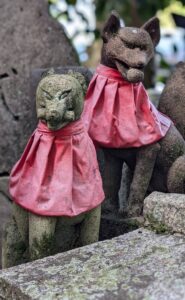
A pair of kitsune fox statues. In Japanese folklore, kitsune is a fox that possesses the supernatural ability to shapeshift or bewitch other life forms
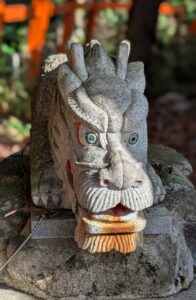
A blue-eyed stone carved dragon at Fushimi Inari Shrine
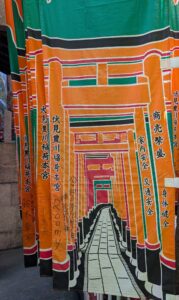
Fushimi Inari print at one of the shrines on the mountain
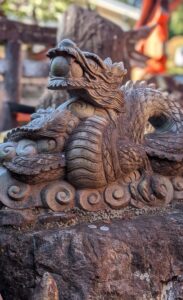
Dragon shrine carving at Fushimi Inari
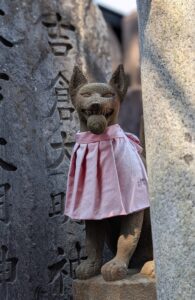
A kitsune carrying a ball in its mouth. In kitsune lore, the "hoshi no tama" (ball) is said to contain the kitsune's life force/soul
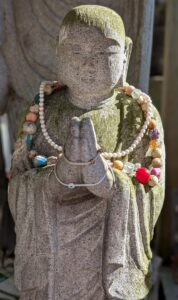
Praying statue at Fushimi Inari Shrine
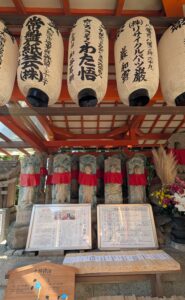
One of hundreds of smaller shrines built on the mountainside at Fushimi Inari
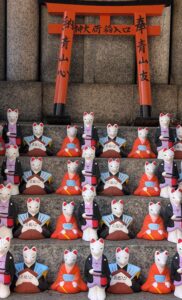
Kitsune figurines at Fushimi Inari
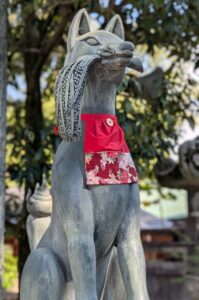
Kitsune carrying sheaves of grain (this collectively represents the five most important grains in Japan - kibi millet, foxtail millet, rice, beans and wheat)
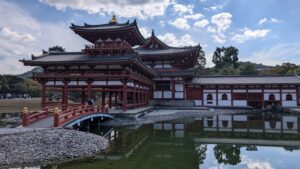
Byōdōin Buddhist Temple is a UNESCO world heritage site featured on the 10 yen coin
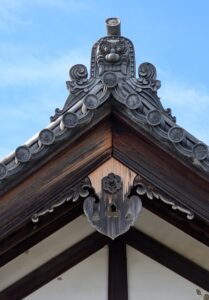
Roof detail of Byōdōin Temple
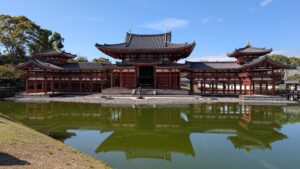
Byōdōin Buddhist Temple was built to resemble a phoenix with outstretched wings (when seen from the front)
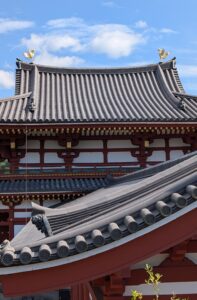
A pair of phoenixes on the rooftop of the Byōdōin Temple
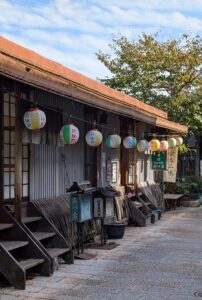
Uji Restaurant ‘Aiso’ serves up green tea soba on its menu
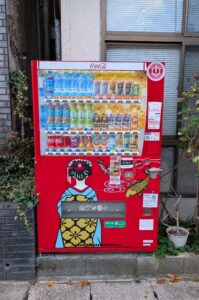
Geisha themed vending machine
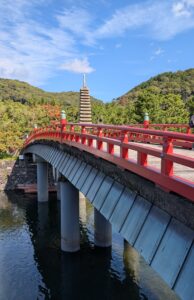
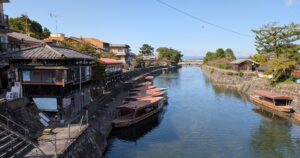
Kisen Bridge in the picturesque town of Uji
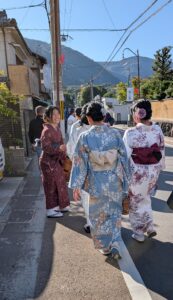
Tourists wearing rented kimonos for a photo shoot in Kyoto
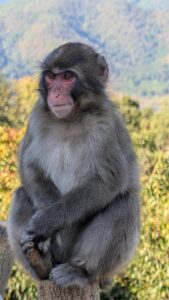
Japanese macaque monkey at Iwatayama Monkey Park in Arashiyama
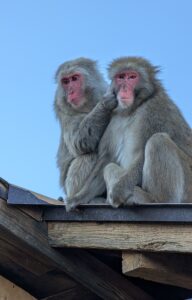
A Japanese macaque monkey grooming its partner
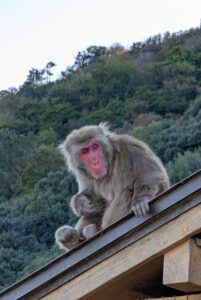
Japanese macaques are the northernmost living non-human primates
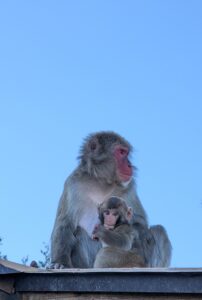
Over 120 Japanese macaques (also called "snow monkeys") live at Arashiyama Monkey Park
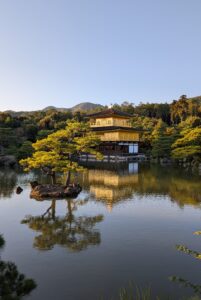
Kinkaku-ji Temple is known as the "Golden Pavilion". The upper two floors are completely covered in gold leaf
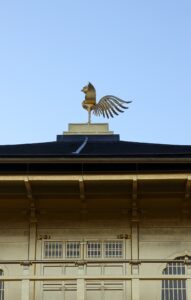
Phoenix ornament at the top of Kinkaku-ji Temple
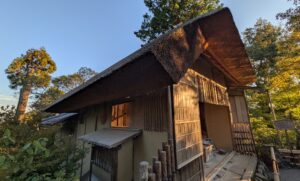
Abandoned Tea house at the Kinkaku-ji Temple complex
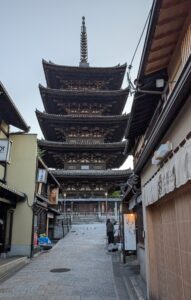
Hōkan-ji Temple (Yasaka Pagoda)
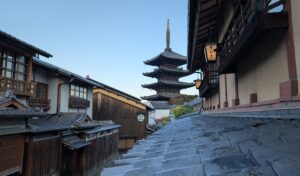
Rooftop view of Yasaka Pagoda
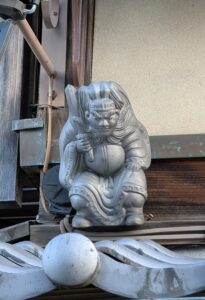
Shoki is a being who exorcises evil spirits and protects tranquility. His figurine can be found on some of the rooftops of Kyoto's townhouses
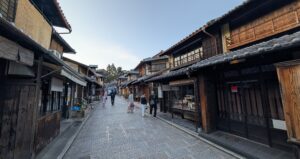
Ninenzaka is an ancient stone-paved pedestrian road and Kyoto tourist attraction
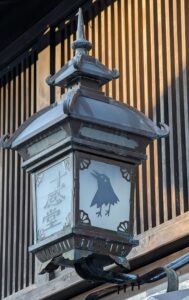
Lantern detail in the preserved district of Ninenzaka
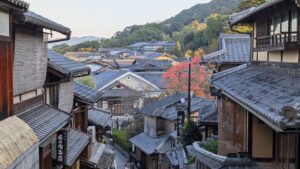
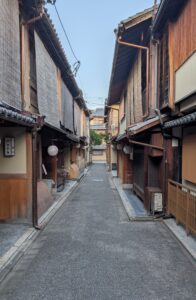
Traditional Japanese street with tiled roofs and wooden houses
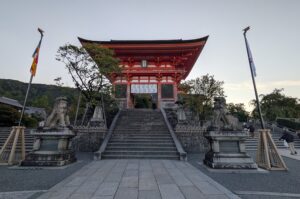
Kiyomizu-dera Buddhist Temple is one of Kyoto's most popular attractions
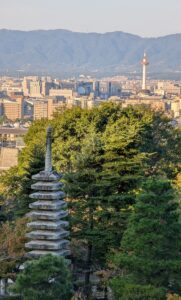
Kiyomizu stone pagoda in the foreground with Kyoto's bustling cityscape in the background
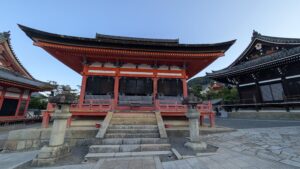
Millions of visitors visit Kiyomizu Temple each year so an early morning visit is a must if you want to escape the crowds
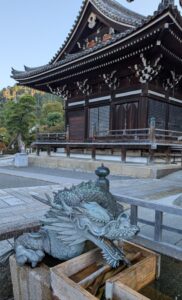
Dragon fountain at Kiyomizu-dera Temple
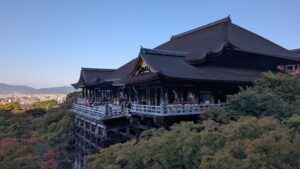
Kiyomizu-dera's main hall (hondō)
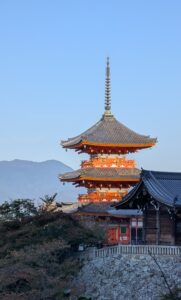
Pagoda tower at Kiyomizu-dera Temple
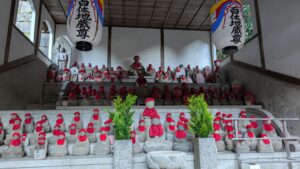
Jizō stone statues at Kiyomizu Temple
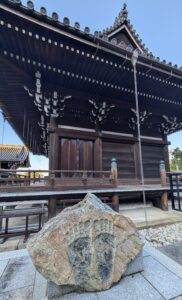
Buddha footprint stone at Kiyomizu-dera Temple
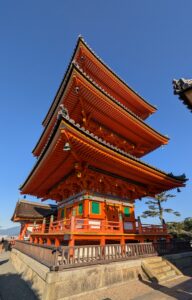
Standing at 101 feet (31 meters) in height, the 3 story pagoda at Kiyomizu-dera Temple is the tallest of its kind in Japan
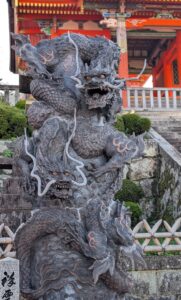
Dragon statue at Kiyomizu-dera Temple
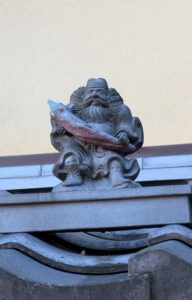
A long established company "Ocha-no-ko SAISAI" specializes in spicy food using shichimi and has this figurine carrying a chili at their main shop on Sanneizaka pedestrian street
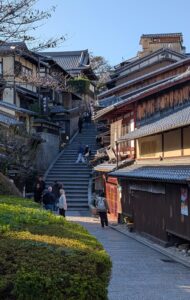
Sannenzaka is a stone paved pedestrian street lined with traditional buildings and shops in Kyoto Old Town
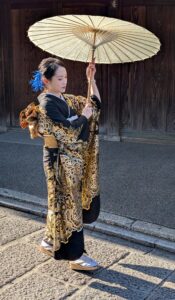
A young woman dressed in a kimono for a photo session on Sannenzaka street
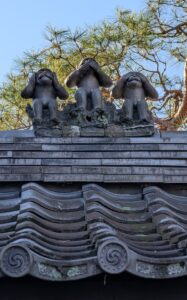
The Three Wise Monkeys of Yasaka Kōshin-dō Temple
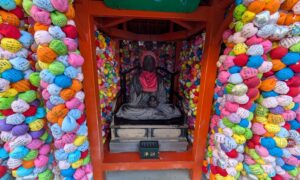
Multi-colored kukuri-zaru talismans (worship balls) around a Kōshin statue at Kongoji Yasaka Kōshin-dō temple
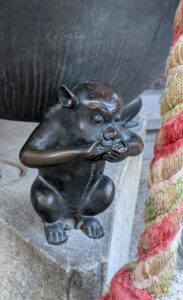
"Speak no evil" - one of the Three Wise Monkeys at Yasaka Kōshin-dō
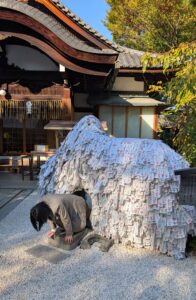
Yasui Kompiragū Shrine is a centuries-old Shinto shrine famous throughout Japan for severing bad relationships and bringing good marriages
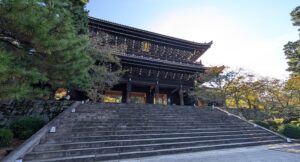
The Sanmon Gate of Chionin Temple. This massive gate is the largest wooden temple gate in Japan (24 meters tall, 50 meters wide) and dates back to the early 1600s
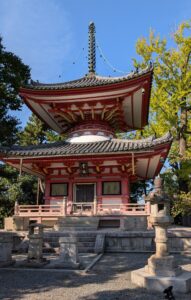
Tahōtō pagoda at the Chion-in Temple
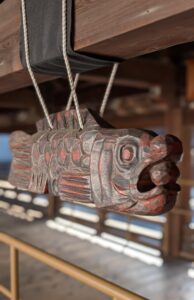
19th Century antique Japanese "Gyoban" (a large, fish-shaped wooden drum) at Chion-in Temple
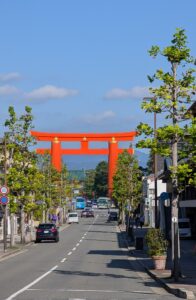
The massive red Torii gate of Heian Jingu shrine
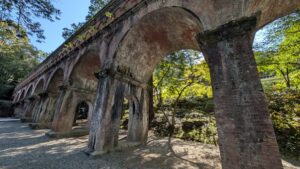
Aqueduct of Nanzenji Temple
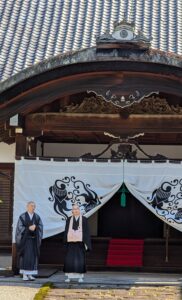
Two priests at Nanzenji Temple
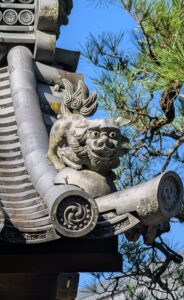
Lion roof tiles are a type of decorative roof tile installed on the ridges of temples to ward off evil spirits
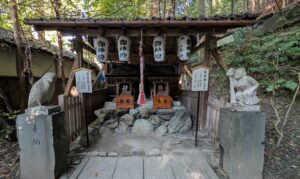
Guardian hawk and monkey at the Otoyo Shrine
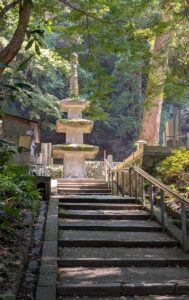
Stone pagoda at Hōnen-in Temple
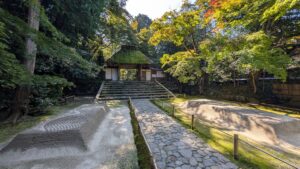
Moss covered gateway and purifying sand mounds of Hōnen-in Temple
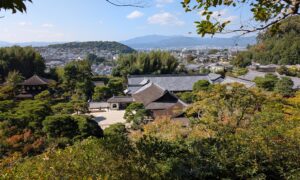
Ginkaku-ji Temple is known as "The Silver Pavilion"
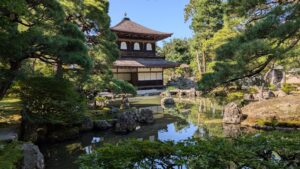
Kannon-den at Ginkaku-ji Temple
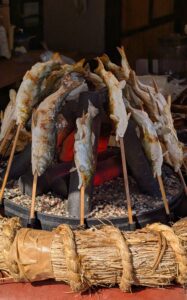
Ayu sweetfish salted and grilled around a charcoal pit (known as 'ayu shioyaki'). It is a popular way to cook and serve this iconic summer fish
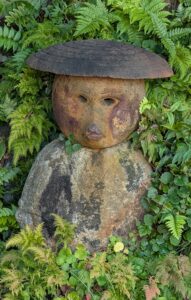
A stone statue tucked away in one of Kyoto's gardens
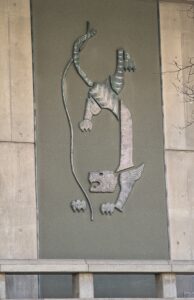
Tiger decoration on a building in Kyoto
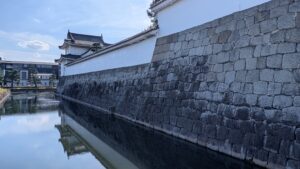
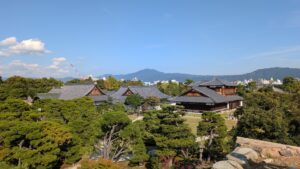
View of the moat around Nijō Castle. The castle consists of two concentric rings (Kuruwa) of fortifications, the Ninomaru Palace, the ruins of the Honmaru Palace
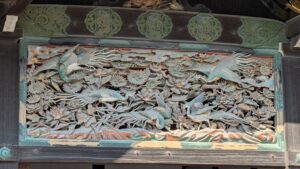
Wood carving detail on Nijō Castle
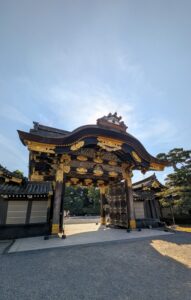
The karamon main gate to Ninomaru-goten Palace
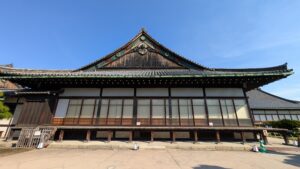
Nijō Castle's Ninomaru-goten Palace
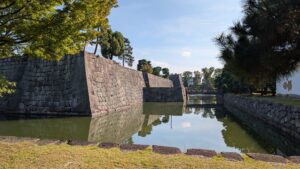
Moat around Honmaru Palace
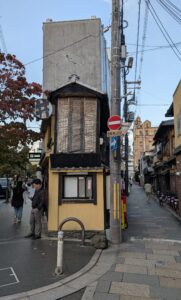
Pontocho Alley in Kyoto features numerous bars and restaurants
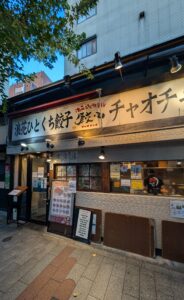
Chao Chao Sanjo Kiyamachi is a popular gyoza izakaya restaurant in the Pontocho District
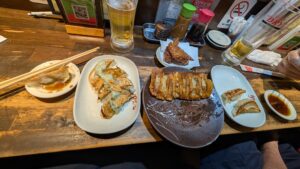
Stuffing ourselves on delicious gyoza dumplings at Chao Chao Sanjo Kiyamachi

The fanciest local train we rode in Japan! This is the interior of a Hankyu railway train which famous for its distinct dark green velvet seating and wood-grain patterned interior walls
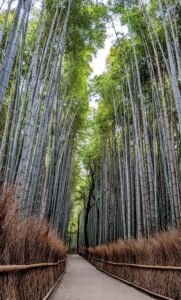
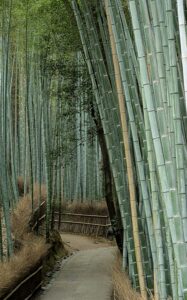
The Bamboo Forest in Arashiyama consists mostly of mōsō bamboo
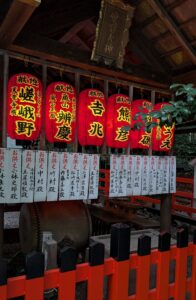
Illuminated lanterns and dedication placards at the Nonomiya Shrine; Arashiyama
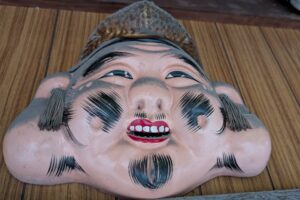
Clay Ebisu mask (Shinto deity)

Selfie at the Arashiyama Bamboo Forest
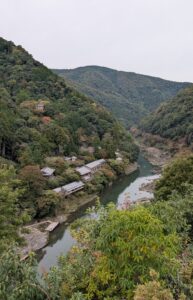
Scenic view of the Hozugawa River winding through the mountains of Arashiyama
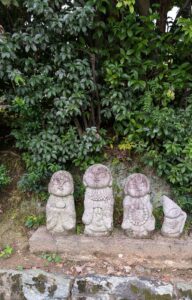
Nagomi Jizo stone statues
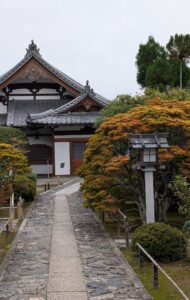
Pathway leading to a building within the Tenryū-ji temple
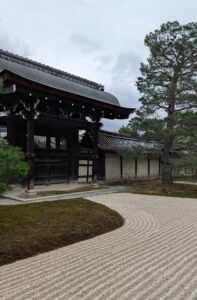
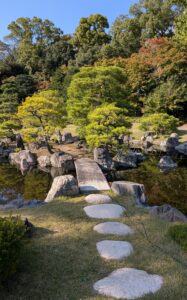
Famous zen landscape garden of Tenryū-ji Temple
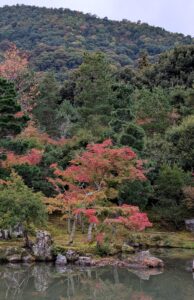
Sōgenchi Garden at Tenryū-ji Temple
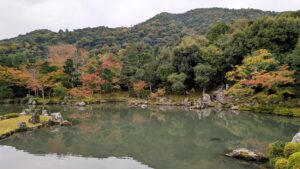
Sōgenchi Garden; Tenryū-ji Temple
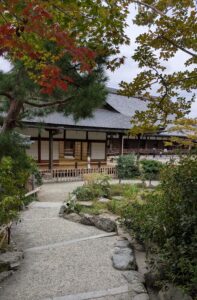
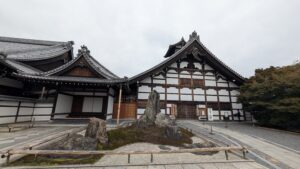
Tenryū-ji Temple is a zen temple in the Arashiyama district of Kyoto
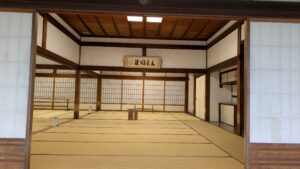
Interior of a traditional Japanese hall at Tenryu-ji Temple
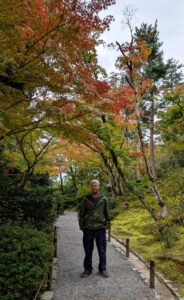
Robby walking through the garden at Tenryu-ji Temple
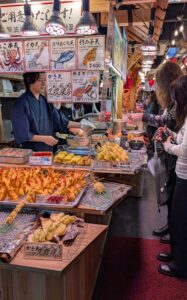
A tempura (deep fried) food stall within the historic Nishiki Market
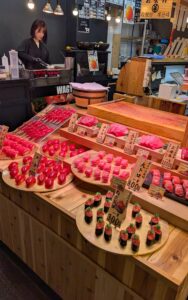
A vibrant stall in Kyoto's Nishiki Market specializing in fresh bluefin tuna (hon-maguro) sashimi and sushi.
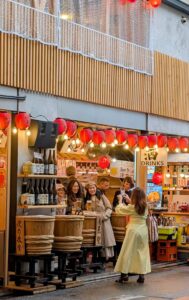
It's never too early for a morning beer at the vibrant Nishiki Market
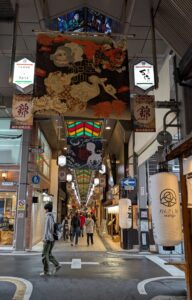
Nishiki Market is a 390 meter long covered pedestrian arcade with a 400-year history. Packed with over 100 stalls and shops, this bustling market specializes in fresh seafood
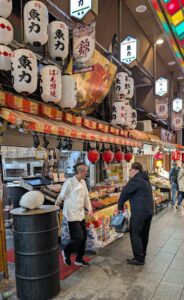
A bustling moment at the historic Nishiki Market which is often referred to as "Kyoto's Kitchen"
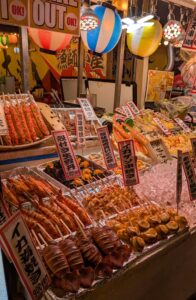
Stall selling seafood skewers in Nishiki Market
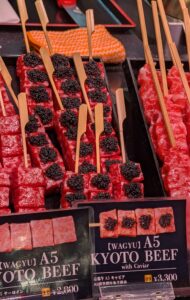
A5 Kyoto Wagyu Beef skewers topped with caviar, a luxury street food item found at this stall in Nishiki Market
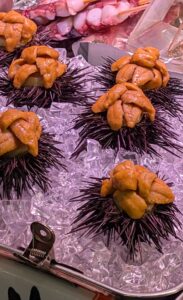
Uni (sea urchin) is a delicacy esteemed worldwide for its briny, creamy flavor
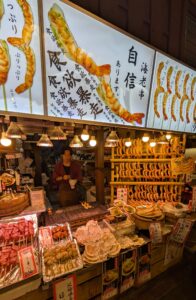
Seafood stall at Nishiki Market
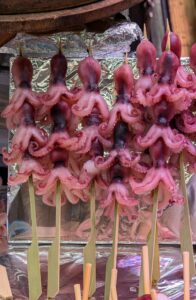
Octopus skewers for sale at Nishiki Market
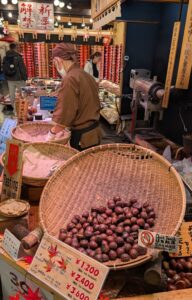
Roasted chestnut vendor at the Nishiki Market
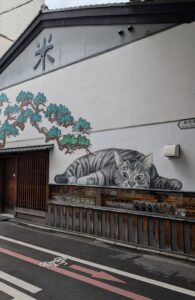
Mural of a cat on a building near the Nishiki Market
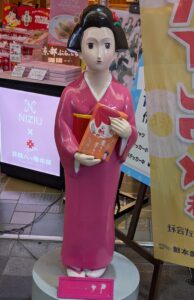
A statue for Izutsu Yatsuhashi Honpo, a famous Japanese confectionery store in Kyoto known for their yatsuhashi treats
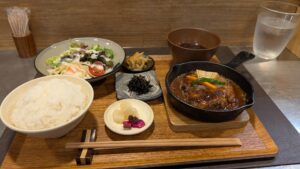
Dinner at Ootake, a meat restaurant in Kyoto
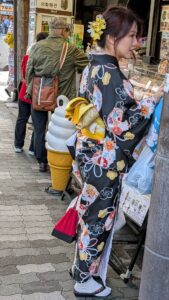
A lady dressed in a traditional kimono in the Gion District
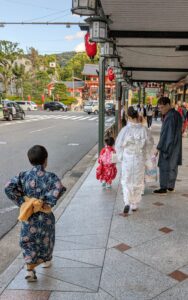
A family dressed in traditional Japanese clothing to visit a nearby shrine in the Gion District
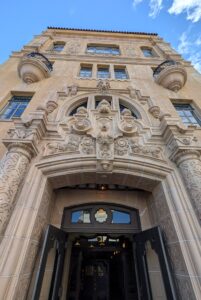
View of Tokasaikan Honten, a historic Chinese restaurant near the Kamo River. It was designed by American born architect William Merrell Vories and completed in 1926. Its striking Spanish-Baroque style stands out as an anomaly next to traditional architecture nearby
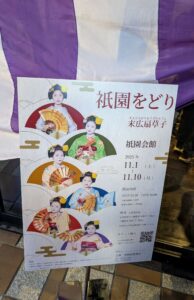
Poster of the Gion Odori, a traditional annual dance performance by geiko and maiko of the Gion Higashi district in Kyoto
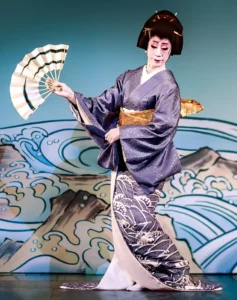
A performer engaging in a traditional fan dance at the Gion Odori. (Photo taken by Robert van Koesveld with special permission)